Home » Procedure » Green Steel EAF Manufacturing

India’s Green Steel Revolution Begins with Tata Tiscon EAF.

Same trusted strength. Now produced through advanced Electric Arc Furnace (EAF) technology with lower CO₂ emissions.

Globally adopted across modern steel-producing nations, EAF combines advanced refining technology, controlled production processes, and lower-emission steelmaking to support the future of modern construction.


How EAF Green Steel is Manufactured?

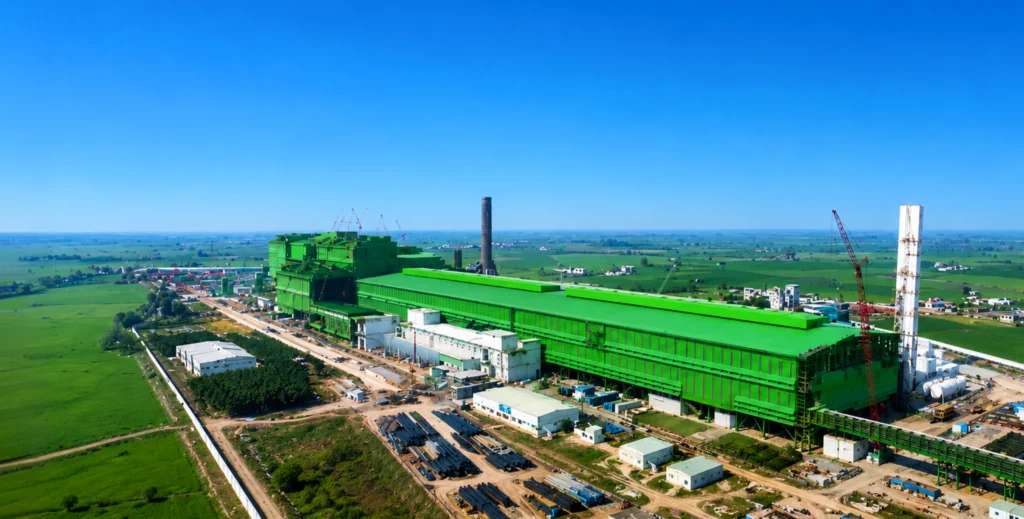
Tata Tiscon 550SD from the Ludhiana plant is India’s first EAF Green Rebar, manufactured via the Electric Arc Furnace (EAF) route at Tata Steel’s Hi-Tech Valley facility, the biggest EAF plant in the country dedicated to rebar production.

The process uses processed steel scrap drawn from Tata Steel’s state-of-the-art recycling facility in Rohtak that runs on 55% solar power. The resulting rebar meets IS 1786 specifications at Fe 550D (SD) grade, with embodied carbon below 0.5 tonnes CO₂ per tonne of steel, up to 80% lower than traditional BF-BOF steel.
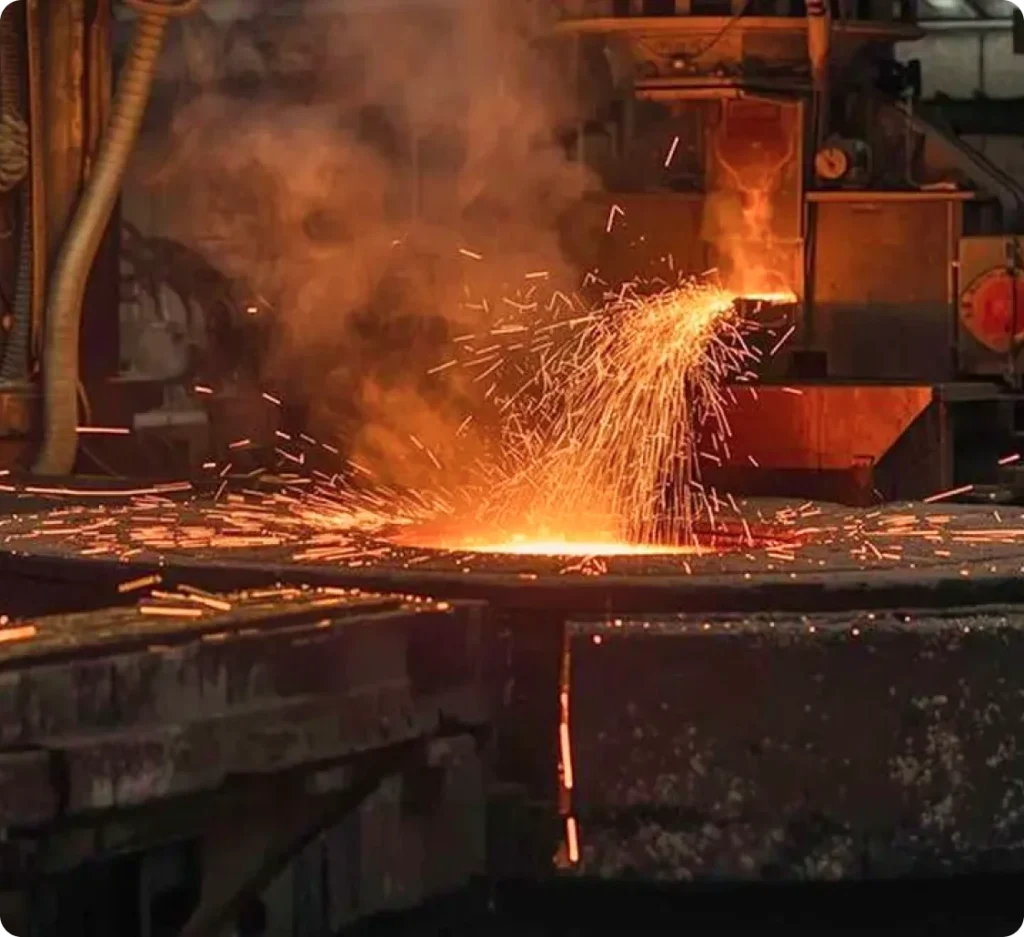
How Green Steel Electric Arc Furnace Manufacturing Works?

Processed steel scrap from Tata Steel’s Rohtak recycling facility first passes through best-in-class magnetic separation, screening out radioactive material.
A captive in-house shredder (1st in industry) reduces impurities, and the FerroHaat platform ensures every batch is digitally procured.

The shredded charge is then melted in the Electric Arc Furnace, where hot oxidising slag at around 1,600°C pulls out sulphur, silicon, phosphorus and manganese.

ECS, Q-One and Q-Melt systems monitor chemistry.
The refined steel is cast on an Octacaster (1st in India, 7.5 m/min) and rolled into IS 1786 compliant TMT bars.

Applications of Green Steel EAF Rebar

Residential Homes
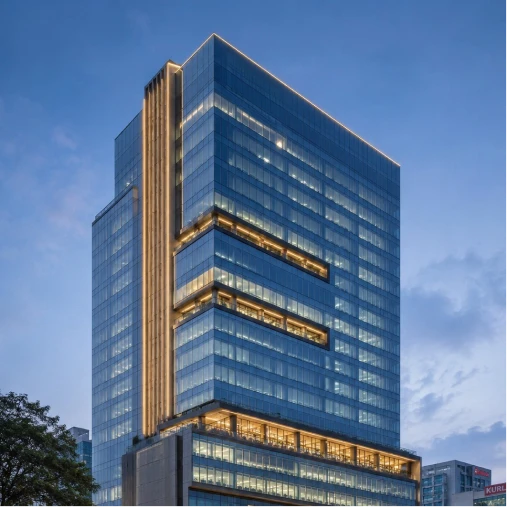
Commercial Tower

Multi-Storey Structures
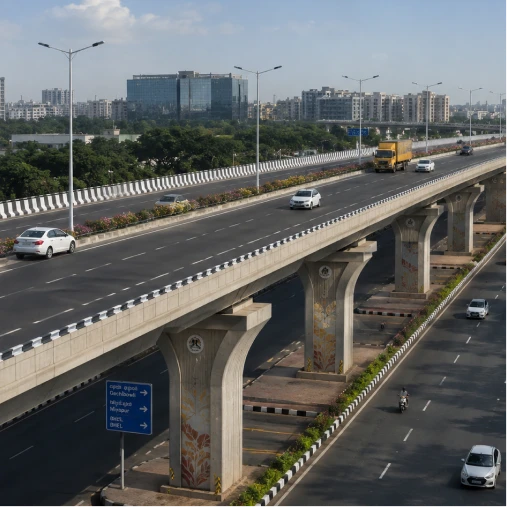
Infrastructure

Low Carbon

Embodied carbon below 0.5 tonnes CO₂ per tonne, up to 80% lower than traditional BF-BOF steel.

Strength

Same strength and ductility as Tata Tiscon 550SD.

Design

Up to 6% steel savings via optimised design.

Price

Same price as IF-route TMT — cleaner steel, no premium.

Quality Standards in Green Steel EAF Manufacturing

Tata Tiscon 550SD from EAF Ludhiana is manufactured to IS 1786, Fe 550D (SD) grade, with the mandatory BIS / ISI Mark. The product exceeds IS code limits on every key parameter:

Verifiable via Mill Test Certificate, Ring Test and Weight Test.

Frequently Asked Questions

EAF steel is produced by melting processed steel scrap in an electric arc furnace using high-temperature electric arcs. The molten metal is then refined through hot oxidising slag at around 1,600°C, which actively pulls out impurities such as sulphur, silicon, phosphorus and manganese. This active refining step is what distinguishes EAF from simpler induction-furnace (IF) melting, which cannot remove these residuals effectively. EAF is the standard route in developed countries — 98% of all rebar in Japan is produced via EAF.

Yes. Tata Tiscon 550SD from EAF Ludhiana meets or exceeds IS 1786 on every parameter: Yield Strength minimum 570 MPa (IS code: 500 MPa), UTS/YS ratio ≥1.15 (IS code: 1.08), and tighter control on Sulphur and Phosphorus than the IS code requires. The quality can be verified on-site through the Ring Test, the Weight Test and the Mill Test Certificate.

Tata Tiscon 550SD from EAF Ludhiana is sustainable on four counts. It uses processed steel scrap sourced from Tata Steel’s state-of-the-art recycling facility in Rohtak. The plant operates on 55% solar power. Its embodied carbon is below 0.5 tonnes CO₂ per tonne of steel — up to 80% lower than traditional BF-BOF steel. And it operates with a Zero Effluent Discharge facility, backed by a ₹200 crore fume treatment plant that prevents harmful gases from being released into the environment.

Sustainable steel manufacturing reduces embodied carbon at the production stage, supports India’s commitment to Net Zero by 2070 and Tata Steel’s commitment to Net Zero by 2045, and makes construction eligible for green building certifications such as LEED and GRIHA, which now demand lower-carbon materials. From FY 28, the Government’s Green Steel Public Procurement Policy will mandate green steel in public projects — making this transition a regulatory imperative, not just an environmental choice.

The Blast Furnace (BF-BOF) route uses iron ore and coking coal as raw materials and emits around 2.5 tCO₂ per tonne of steel. The Electric Arc Furnace (EAF) route melts processed steel scrap using electric arcs and refines it through hot oxidising slag — emitting below 0.5 tCO₂ per tonne at Tata Tiscon Ludhiana plant. Both routes can deliver IS 1786 compliant TMT rebar of the same grade specifications, but the EAF route enables a circular use of steel scrap with a far lower carbon footprint.

Yes. Tata Tiscon 550SD from EAF Ludhiana is built for the full range of construction applications — residential homes, commercial buildings, multi-storey structures and infrastructure projects. With the Super Ductile (SD) grade and a UTS/YS ratio of ≥1.15, it is suited for earthquake-prone regions. It is distributed through the Tata Sampoorna dealer network and is offered at the same price as Tata Tiscon IF-route TMT rebars — cleaner steel at no additional cost to the customer.

Tata Tiscon has commissioned India’s biggest EAF plant for rebars at Hi-Tech Valley, Ludhiana — a ₹3,500 crore facility with a furnace 4X larger than traditional IF plants. The plant is supported by a ₹200 crore fume treatment plant, a Zero Effluent Discharge facility, and 55% solar power. It is built around several industry firsts: a captive in-house shredder, FerroHaat digital scrap procurement (unique to Tata Tiscon), best-in-class magnetic separation for radioactivity screening, and the ECS, Q-One and Q-Melt automated chemistry control systems.