In the modern construction landscape, efficiency and environmental responsibility are no longer optional—they are imperative. As urban development continues at a rapid pace, the industry faces increasing pressure to minimize waste and adopt more sustainable practices. A key area where significant gains can be made is in the preparation and use of reinforcement structures. This is where Superlinks offer a transformative solution, significantly reducing on-site wastage and enhancing the sustainability profile of construction projects.
Traditionally, the process of creating steel stirrups (the closed loops of steel that hold the main reinforcement bars in place within concrete columns and beams) has been a labor-intensive and often wasteful on-site activity. However, the introduction of readymade Superlinks is changing this dynamic.
The Challenge of On-Site Stirrup Fabrication
Fabricating stirrups manually on a construction site typically involves several steps:
- Cutting: Long steel bars are cut to specific lengths.
- Bending: These cut pieces are then bent into various shapes (square, rectangular, circular) using manual or semi-automatic bending machines.
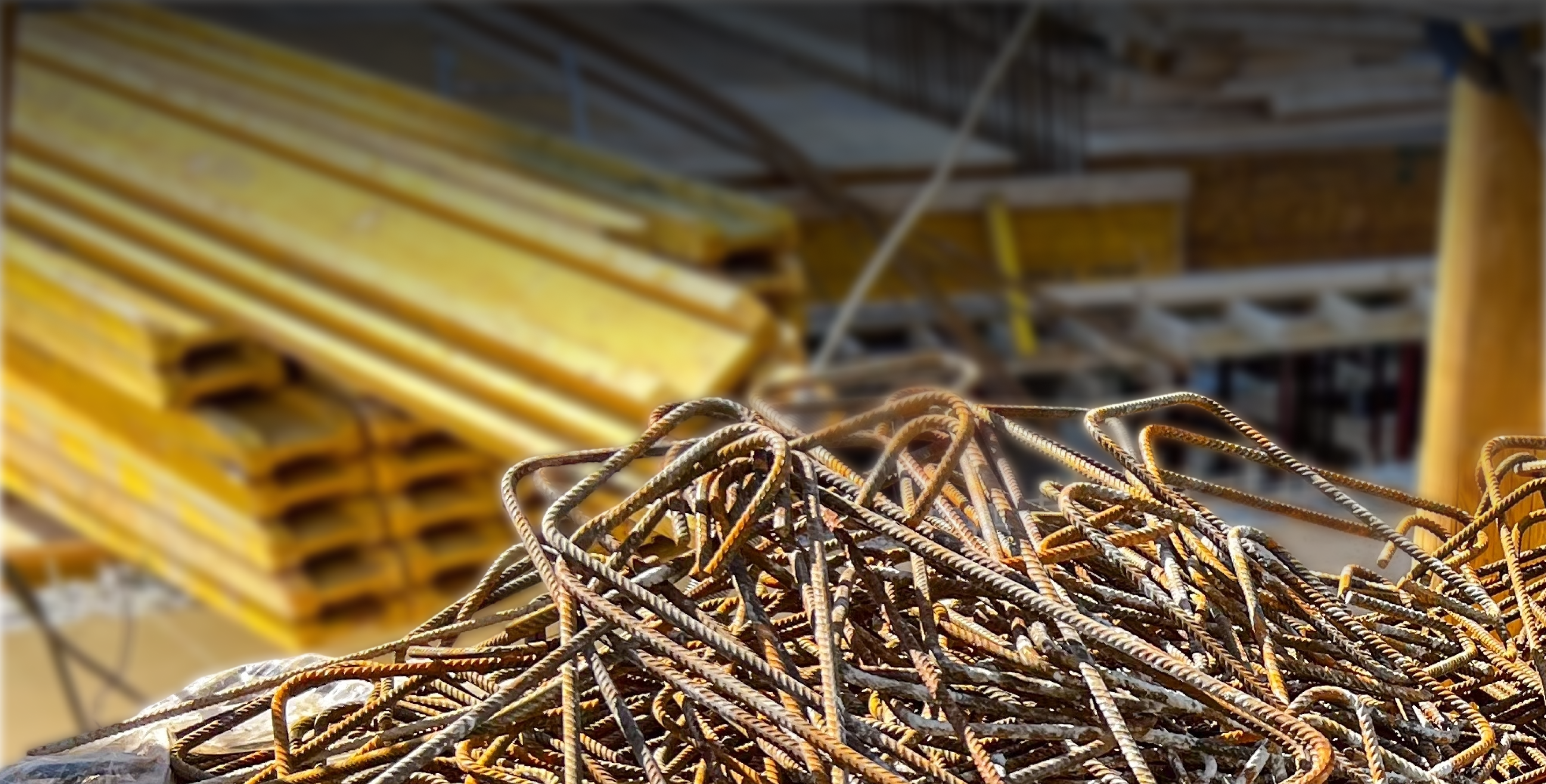
- Wastage: This process often generates significant steel scrap due to inaccurate cutting, incorrect bending, and leftover pieces that are too short to be reused efficiently.
- Inconsistency: Manual bending can lead to inconsistencies in shape and size, which may fail to achieve the specified angles and hook extensions required by design standards. This can overall affect structural integrity and potentially require rework.
This traditional method not only contributes to material waste but also increases labor costs and extends project timelines.
How Superlinks Address Wastage and Boost Sustainability
Superlinks (also known as factory-made or ready-to-use stirrups in construction) offer a precise, prefabricated solution that directly tackles these challenges:
Precision Engineering, Minimal Waste:
Superlinks are manufactured in controlled factory environments using automated processes. This ensures exact dimensions and consistent shapes that meet specified design standards and regulatory requirements, which significantly reduces the amount of steel scrap generated during production. Unlike on-site fabrication where leftover pieces become waste, the optimized cutting and bending processes in a factory leave very little unusable material. This precision leads to a more efficient use of steel resources, aligning perfectly with sustainable construction goals.
Optimized Material Use:
By eliminating the need for on-site cutting and bending, Superlinks ensure that every kilogram of steel purchased is utilized effectively in the structure. There are no short off-cuts or incorrectly bent pieces to discard. This optimized material use is a core aspect of minimizing environmental impact in construction.
Enhanced Durability and Lifespan:
High-quality readymade Superlinks are often manufactured using advanced techniques that improve their material properties. For instance, some stirrups manufacturers produce Corrosion Resistant Superlinks through specialized treatments. This enhanced resistance to rust means the structural elements will last longer, reducing the need for future repairs or replacement and thereby contributing to the long-term sustainability of the built environment. Durable infrastructure is inherently more sustainable.
Reduced On-Site Activities and Environmental Footprint:
Using Superlinks in construction means fewer machines operating on the construction site for cutting and bending steel. This translates to:
- Lower Energy Consumption: Less reliance on on-site power for fabrication equipment.
- Reduced Noise Pollution: A quieter construction site, benefiting surrounding communities.
- Less Carbon Emissions: Fewer transport movements for raw steel bars to site, as pre-fabricated units can be efficiently delivered.
- Cleaner Site: Less scrap means a tidier and safer construction area, simplifying waste management.
Quality Assurance and Structural Reliability:
The factory-controlled environment ensures that each Superlink adheres to strict quality standards and precise dimensions, often superior to what can be achieved manually on-site. This consistency is vital for the structural integrity of beams and columns, contributing to safer and more resilient buildings—a key aspect of sustainable urban development. Products like Ultima Stirrups Superlinks exemplify this commitment to precision and quality.
The Economic and Environmental Advantage
While considering the stirrups price, it’s important to look beyond the initial cost and factor in the overall savings and benefits. The reduced labor requirements, faster project completion times, and significant decrease in material waste often offset the upfront cost of readymade Superlinks. Furthermore, the long-term durability and lower maintenance needs of structures built with quality steel stirrups contribute to a lower total cost of ownership and a reduced environmental burden.
For contractors and builders aiming to build smarter and greener, the decision to buy stirrups online or from reputable stirrups manufacturers providing Superlinks is a clear step towards more sustainable construction.
Conclusion
The shift towards Superlinks in construction is a clear indicator of the industry’s evolution towards more efficient and sustainable practices. By minimizing on-site waste, optimizing material use, and enhancing structural durability, readymade Superlinks offer a compelling solution for building a greener future. As we continue to seek innovative ways to build better, Superlinks stand out as a smart choice for both project efficiency and environmental stewardship.